Showing posts with label MagnaCarta800. Show all posts

Sunday, June 21, 2015

Magna Carta - 6


As the UK celebrates 800 years since the sealing of the Magna Carta, The Fifth Floor tells the story of a lesser known 800 year old document which enshrined the rights of noblemen and established an effective government across a kingdom - the Manden Charter. Established in the Malian Empire in the 13th Century, the charter established the laws under which Mandinka clans of West Africa would live. Ibrahima Diane of BBC Monitoring tells the story of the charter and what the ancient document continues to mean today, in West Africa and beyond.

Yoga Salutation
June 21st is International Yoga Day. Indian Prime Minister Narendra Modi is marking the event by promoting what is billed as the biggest single yoga session ever. While the virtues of yoga for mind, body and soul are being endorsed in India, the BBC's Suhail Haleem is keeping a low profile - the only way he has ever been able to touch his toes is with a selfie stick. For The Fifth Floor Suhail explains the great divide - of those who bend and those who can't.

The Fall of Morsi
Following the confirmation by an Egyptian court of the death sentence on deposed President Mohamed Morsi, BBC Arabic's Ranyah Sabry tells the story of the key moments that took him from president to death row.

Tracking Islamic State Recruits
Turkey is the main route to Syria for would-be Islamic State recruits, and the authorities receive frequent requests to look out for and intercept the nationals of third countries. Cagil Kasapoglu of BBC Turkish has been covering the journeys of the jihadists and explains why so many of them succeed in crossing the country undetected.

Burundi: Hear my Country
After weeks of violence in Burundi over the president's controversial bid for a third term, two BBC journalists from the country - Prime Ndikumagenge and Robert Misigaro - pick the music that defines Burundi, past and present. It ranges from ancient inanga harp music to contemporary reggae.

And Fifi shares her favourite stories from the web this week.
(Courtesy : BBC World Service )


--கே.எஸ்.இராதாகிருஷ்ணன்.
20-06-2015.


Saturday, June 20, 2015

மேக்னகார்ட்டா - Magna Carta ( 5 )


On History: anyone who thinks that the Magna Carta is an infallible guide to our current liberties has another thing coming. For Andrew Marr, the actual document is full of awkward surprises

From INTELLIGENT LIFE Magazine, Spring 2009

Will we ever forget? As Britain struggles with the legal dilemmas involved in anti-terrorist laws, the phrase returns: “going all the way back to Magna Carta”. Tony Benn, the veteran left-winger, described proposals to extend detention of suspects to 42 days without trial as “the day Magna Carta was repealed”. A few years ago, a BBC poll found that June 15th, the day it was signed, was the favourite date for a proposed “British Day” holiday.

Never mind that it wasn’t signed. From Diggers to Chartists; from jowly Whig historians to lean American revolutionaries; from Protestant bigots to today’s civil-liberties campaigners, the lure of the waxy parchment has resisted all nay-sayers, revisionists and mockers. A fairly squalid act of crisis management, three days of haggling between a failing king and a bunch of local warlords, which happened nearly 800 years ago on a small Thames island, which soon failed and was quickly repudiated, has come to stand for all rights, all liberties. That’s brand loyalty.

It is an easy trick to point out how little of the Great Charter is even comprehensible so long after the riven feudal society which spawned it has gone. How can one possibly translate for a modern audience the meaning of the archaic story of King John, his bitter feuds with his father and brothers, his savage territorial wars, sprawling across the blood-ties of European royalty, and the endless struggles with contemptuous barons?

Here was a man whose father had imprisoned his mother; who fought his brothers and tried to betray his eldest, the obsessive Crusader Richard the Lionheart. He then fought his nephew Arthur for power. He may have killed Arthur with a botched castration, or by knifing him and throwing him into the Seine. (We should not feel too sorry for Arthur who, in turn, had tried to kidnap his own grandmother.) He was forced to grovel to Pope Innocent III, himself a ruthless character who threatened England with invasion and for a while put the church there on strike, threatening the people with Hell, because John would not accept his nominee as Archbishop of Canterbury. Although John had it coming, there are no heroes here.

These are tales which, post-Shakespeare, would need to be translated into drug feuds in Colombian shanty-towns or New York mafia families to make sense; in which there is no virtuous power, and merely a struggle for ascendancy involving endless family betrayal and the corruption of all law. The story of John’s loss of the crown jewels in a tidal wrong turn is like a subplot from “The Sopranos”.

Reading through it now (translated from the original, in Latin, of course) one finds the bulk of the text is a dense web of deals about inheritance, power and property which essentially bolstered the position of the barons, territorial hard-men, rather than “the people”. Given the importance of Magna Carta to English identity, it is worth noting that of the 25 barons who forced John to submit, 19 still have French names. No heroes, they. Their main beef against him was that he had lost his French war and was trying to make them pay for it. But the notion that they were sturdy English patriots is somewhat undercut by the fact that when John repudiated the Charter, they promptly invited the French prince Louis to invade. Louis conquered half of England and plunged the country into full-scale civil war. Had John not died rather suddenly, possibly of over-eating, then his French cousin might well have been King Louis of England as well as being Louis VIII of France.

Anyone who thinks that despite all this, the Great Charter is an infallible guide to our current liberties might like to reflect on clauses such as “Heirs may be given in marriage, but not to someone of lower social standing” or the two clauses robbing Jews of interest on loans made to people who died. The power it sought to entrench was the power of hard-faced landowners and city rulers.

So why has it lasted? It does contain the deathless promise that all “freemen” should have its proclaimed liberties “forever” and promises (Tony Benn’s point) that no freeman should be imprisoned unlawfully. But above all, it permits the barons legal right to revolt if the monarch fails to abide by his Runnymede deal. In vivid language, the king allows them to “distrain upon and assail us in every way possible, with the support of the whole community of the land, by seizing our castles, lands, possessions, or anything else saving only our own person and those of the queen and our children, until they have secured such redress as they have determined upon.”

There we have it. There’s the language of power. This is not the foundation for common law, or an early charter of human rights. Its main message is that tyrants may be toppled. In England’s cathedrals and museums, gawped at by millions, there lies a ticking alibi for bloody insurrection.  

Andrew Marr presents "The Andrew Marr Show" on BBC1 and "Start the Week" on Radio 4. His "History of Modern Britain" has been a bestseller. He is a former editor of the Independent. His last column for Intelligent Life magazine called for more books on scientists 
(Courtesy : moreintelligentlife  ) 

--கே.எஸ்.இராதாகிருஷ்ணன்.
20-06-2015.

Wednesday, June 17, 2015

மேக்ன கார்ட்டா - The legacy of the Magna Carta - 800 (4)


இரண்டு நாட்கள் முன் (15-06-2015) தினமணி கட்டுரையில் வெளிவந்த என்னுடைய பத்தியான மேக்ன கார்ட்டா பற்றிய பதிவின் தொடர்ச்சியாக இந்தப் பதிவு.


‘Does Magna Carta mean nothing to you? Did she die in vain?’ — so joked comedian Tony Hancock (1924-68) in Hancock’s Half Hour back in the 1950s.

Clearly not. Far from dying, Magna Carta has had a life longer, fuller and more influential than the most optimistic medieval baron could have ever imagined.

As the 800th anniversary of the Magna Carta is being celebrated today in Runnymede in grand opulence, it is worth revisiting how relevant the ‘Great Charter’ still is.
It is relatively dense and sprawling, as these things go — neither very long, nor very elegantly written, just 3,500 words or so of Medieval Latin crammed illegibly onto a single page of stretched and dried sheepskin.

But Magna Carta, presented by 40 indignant English barons to their treacherous king, John, 800 years back to this day in the year 1215 has endured ever since as perhaps the world’s first declaration of the principle of rule of law, a thrilling instance of a people’s limiting their ruler’s power by demanding rights for themselves.

But how come a charter from 1215 which was declared null and void by Pope Innocent III within weeks of its being written (as it had been dragged from King John under duress), come to acquire such an iconic status today, and why is it seen as the foundation of our liberties and our law?

At its heart is the idea that the law is not simply the whim of the king, or the government. Magna Carta established for the first time the principle that everybody, including the king, was subject to the law. It is the great egalitarian legacy of Magna Carta, that all are equal under the law, and all can be held to account. It is that idea that gave birth to so many of our rights and freedoms, to parliamentary democracy, fair trial, and a series of controls on the abuse of arbitrary power.

Magna Carta is a cornerstone of the individual liberties that we enjoy, and it presents an ongoing challenge to arbitrary rule. But over time, while not envisaged at the time of its drafting, Magna Carta has for many been seen not only as a foundation of liberty, but also one of democracy. And this broader notion of the wider significance of Magna Carta makes it especially relevant today. It is perhaps easiest to think of Magna Carta in two ways: first, as a document of historical and legal significance; and secondly, as a principle underlying how we live, through equality under the rule of law and through accountability. Magna Carta matters both for what it said in 1215 and, perhaps more significantly now, for what it has come to symbolise.

In 1215 Magna Carta was a peace treaty between the King and the rebel barons. In that respect it was a failure, but it provided a new framework for the relationship between the King and his subjects. The 1225 version of Magna Carta, freely issued by Henry III (r.1216-72) took this idea further and became the definitive version of the text. Three clauses of the 1225 Magna Carta remain on the statute book today. Although most of the clauses of Magna Carta have now been repealed, the many divergent uses that have been made of it since the Middle Ages have shaped its meaning in the modern era, and it has become a potent, international rallying cry against the arbitrary use of power.

One defends the liberties and rights of the English Church, another confirms the liberties and customs of London and other towns, but the third is the most famous and most relevant today: No free man shall be seized or imprisoned, or stripped of his rights or possessions, or outlawed or exiled, or deprived of his standing in any other way, nor will we proceed with force against him, or send others to do so, except by the lawful judgement of his equals or by the law of the land.
To no one will we sell, to no one deny or delay right or justice. This clause gave all free men the right to justice and a fair trial.

Buried deep in Magna Carta, this clause was given no particular prominence in 1215, but its intrinsic adaptability has allowed succeeding generations to reinterpret it for their own purposes.

Clauses 39 and 40 which forbade the sale of justice and insist upon due legal process retain ‘the power to make the blood race’, to echo Lord Bingham (1933-2010).

From these two clauses sprang not just the principle of habeas corpus (that the accused are not to be held indefinitely without trial), but the idea of the right to trial by jury (by the accused’s ‘peers’). Even the presumption of innocence pending conviction can be traced back to the provisions of clause 40 of the Magna Carta. From clause 14 of the Magna Carta springs the idea of no taxation without representation, and with it the establishment of a common council, duly embodied in Parliament, as a means of obtaining popular consent.

From this principle of the rule of law and equality before the law comes the inspiration for declarations of human rights. Historically, we can point to the Bill of Rights of 1689 in Britain, the Declaration of the Rights of Man and the Citizen of 1789 in France, and the Bill of Rights in the United States in 1791. In the 20th century, there were many further examples. Most famous, of course, is the Universal Declaration of Human Rights (UDHR) adopted in 1948, and in 1951, Britain was the first signatory to the European Convention on Human Rights (ECHR). And, while British parliamentarians, and judges have long taken account of the European Convention, it was finally incorporated into British law with the Human Rights Act of 1998.

In the United States of America, Magna Carta has informed both the Declaration of Independence and the American Constitution and is held in almost legendary esteem.

Some people deride the importance given to Magna Carta and say that it is the myth rather than the actual text that can be said to be the foundation of liberty and rule of law in the English speaking world. It has to be admitted that the Magna Carta was not as broad in scope as any of provisions in the UDHR or the ECHR and such other instruments but the key is to recognize that the ideas rooted in Magna Carta were an inspiration for them. 

So while many clauses of Magna Carta seem irrelevant now and indeed the vast majority are no longer on the statute book, it is not an exaggeration to suggest that Magna Carta forms the basis of the freedoms and liberties we now enjoy Magna Carta can also be seen as a foundation of accountability, of popular democracy, and even of the importance of engaged citizens. The fact that Magna Carta had precious little (if indeed anything at all) to say about these things is to miss the point. Historians have shown that, over time, different generations reinterpreted Magna Carta’s meaning to match the dominant ideas of their age.

Magna Carta was fundamentally about the law being pre-eminent, and in the context of arbitrary rule by a monarch, that made good sense. But as the sovereignty of the elected Parliament developed after 1688, then the question of the balance of power inevitably arose. Should a sovereign parliament be free to repeal laws reflecting the will of the people, or should it be constrained by the law. In other words, was popular sovereignty through Parliament a better guarantor of liberties? From the 19th century onwards, it became clear in Britain that this emphasis was shifting towards Parliament, with many provisions of Magna Carta deleted from the statute book as they were considered obsolete.

Yet, of course, even democratically elected governments drawing on the will of the people can be tyrannical, or at least be perceived as a threat to individual liberties. In Britain, this perception started to grow in the mid-1960s, particularly with concerns that Parliament was increasingly unable to control the executive. But this tension between democracy and liberty is heightened with the increasing involvement of the judiciary. Advocates of parliamentary sovereignty argue that the principle of liberty being above that of democracy politicises unelected and unaccountable judges. Can it be right, they argue, that the will of the people exercised through a democratically elected parliament can be struck down by an unelected judge?

All of these issues are live and ongoing and provide rich areas for debate. So, Magna Carta continues to be of great relevance to us all. It is the foundation of liberty and arguably, ultimately, of democracy.

Closer home, in India, the principle of rule of law is embodied in our Constitution and runs like a golden thread through Part III which guarantees certain Fundamental Rights to Indian citizens and even, non-citizens. In many ways, the Fundamental Rights trace their roots to the Magna Carta.

For example, Article 21 says, “No person shall be deprived of his life or personal liberty except according to procedure established by law”, and Article 14, the equality clause, says, “The State shall not deny to any person equality before the law or the equal protection of the laws within the territory of India.”

Article 21, it can be seen, makes no explicit reference to the “due process of law” as was used in the Magna Carta. This is so because the American doctrine of “due process” had been rejected by the framers of the Indian Constitution at the time of its enactment. The fifth and fourteenth amendments to the American Constitution provide that life, liberty and property cannot be deprived without “due process of law.” This phrase, borrowed, from the Magna Carta, acquired a nuanced meaning in the American constitutional context, following years of judicial exposition.

Over time, the phrase acquired “substantive” and “procedural” meanings, each of which enhanced the powers of the judiciary. For example, in exercise of powers conferred by the “due process” clause of the Constitution, American courts would create “new” or unenumerated rights. Most notably, these were the rights to abortion, marriage, homosexuality, the use of contraceptives, child-rearing, and so on.
Interestingly, in the Magna Carta the phrase “due process of law” was meant to curb the powers of the royal judiciary in favour of the feudal baronage, quite contrary to the spirit of judicial activism that is now attributed to the clause.

The Constituent Assembly of India originally included a due process clause in the Fundamental Rights provisions associated with preventive detention and individual
liberty in the initial draft version adopted and published in October of 1947. After this draft version was published, Rau embarked upon a multi-nation trip to the United States, Canada, and Ireland to meet with jurists, constitutional scholars, and other statesmen. In the United States, Rau met Justice Felix Frankfurter, judge of the American Supreme Court . In his meeting with Rau, Frankfurter indicated that he believed that the power of judicial review implied in the due process clause was both undemocratic and burdensome to the judiciary, because it empowered judges to invalidate legislation enacted by democratic majorities.

Consequently, in 1949, the phrase “due process of law” was dropped from the text of what was to become Article 21 of the Indian Constitution, despite strong support for the clause in the sub-committee on fundamental rights.

However, despite there being no textual support in the Constitution to the concept of “due process of law” it found a backdoor entry into Indian constitutional jurisprudence through Justice P.N. Bhagwati’s opinion in the Maneka Gandhi case, wherein it was held that the Constitution mandates “fair” procedure when rights are deprived.

In Maneka Gandhi, it was stated, “The law must therefore, now be taken to be well-settled that Art.21 does not exclude Article 19 and that even if there is a law prescribing a procedure for depriving a person of “personal liberty” and there is consequently no infringement of the Fundamental Right conferred by Art 21, such law insofar as it abridges or takes away any Fundamental Right under Article 19 would have to meet the challenge of that Article. 

This proposition can no longer be disputed after the decisions in R.C. Cooper’s case, Shambu Nath Sarkar’s case and Haradhana Saha’s case. Now if a law depriving a person of ‘personal liberty’ and prescribing a procedure for that purpose within the meaning of Article 21 has to stand the test of one or more of the Fundamental Rights conferred under Article 19 which may be applicable in a given situation ex hypothesi, it is also liable to be tested with reference to Article 14.”

Justice Krishna Iyer in his separate but concurring judgment declared that “law is reasonable law, not any enacted piece.”

Although the court would repeatedly hold in subsequent cases that the American standard of “due process” did not apply to the Indian Constitution, in reality the court would apply nothing less than due process standards to administrative and legislative authorities in its emphasis on “fair, just and reasonable” procedure. The ‘procedure established by law’ has thus come to acquire practically the same significance in India as the ‘due process of law’ clause in America. This is borne out by Krishna Iyer J.’s opinion in the Sunil Batra Case (AIR 1978 SC 1675) wherein he held that though the Constitution had no “due process” provision, yet after the Maneka Gandhi Case judgment the consequence was the same.

Thus, it can be said with certainty that constitutional “due process” is here to stay in India. The power of judicial review and recognition of ‘due process’ doctrine has in effect made the judiciary the pre-eminent and arguably the most powerful among the 3 organs of the State in India.

In Kesavananda Bharati and I.R. Coelho v State of Tamil Nadu, the Supreme Court held that ‘rule of law’ is a part of the basic structure of the Constitution with the consequence that it cannot be amended or altered or repealed by a constitutional amendment.
The Courts in India have frequently relied upon the common law principles (derived from the Magna Carta) as an aid to interpretation of the constitution and application of the laws. The common law took firm root in India following the establishment of the High Courts of Judicature at Bombay, Calcutta and Madras in the 19th century. The principles of natural justice, presumption of innocence till proven guilty, and immunity from self-incrimination etc can all be traced to common law principles and maxims which in turn have been inspired from the Magna Carta.

The equality clause combined with the ‘due process’ clause and the recognition of ‘rule of law’ as a basic structure of the constitution have emerged as bulwarks for citizens against arbitrariness and encroachment by the State into the realm of civil liberties protected in Part III of the Constitution. The flame of the Magna Carta continues to burn bright even today and its spirit continues to illumine the understanding and application of law in India and in constitutional democracies elsewhere.

Let’s not think about Magna Carta solely in terms of its medieval and legal history. Those aspects are obviously important. But perhaps most important is what Magna Carta has come to symbolise, even though this was almost certainly not what was envisaged or intended by those who drafted the Great Charter 800 years ago.
The renowned English judge Lord Denning has rightly called the Magna Carta “the greatest constitutional document of all times — the foundation of the freedom of the individual against the arbitrary authority of the despot.” ( Courtesy : live law ) 

- கே.எஸ். இராதாகிருஷ்ணன்.
17-06-2015.

Tuesday, June 16, 2015

மேக்னகர்ட்டா 800 - Magna Carta - 800 . (3)

இதுகுறித்து நேற்றைய எனது தினமணிக் கட்டுரை அடங்கிய இரண்டு பதிவுகளோடு  இதையும் பகிர்ந்துள்ளேன்.


மகாசாசனத்தைப் பற்றி எட்டாவது வகுப்பில் ஆக்ஸ்போர்டு பல்கலைக்கழகம் வெளியிட்ட வரலாற்று நூலில் படித்த காலத்திலிருந்து அதன்மீது ஆர்வம் உண்டு. அதனால் மகாசாசனம் பற்றி படிக்கவும், அறியவும் விருப்பம் ஏற்பட்டது.

எட்டு நூற்றாண்டுகளுக்கு முன்னால், ஜான் அரசன் ரன்னிமேட்டில் உள்ள தேம்ஸ் நதிக்கரை அருகில்மகாசாசனத்தைப் பிரகடனப் படுத்தியதாக தகவல். நேற்றைக்கு (15-06-2015) பிரிட்டன் ராணி எலிசபத்தும், அந்நாட்டின் பிரதமர் டேவிட் கேமரூனும், கேண்டர்பரி ஆர்ச் பிஷப் மற்றும் உலகநாட்டுத் தலைவர்களும் கலந்துகொள்ள 800வது ஆண்டு நிகழ்வு நடைபெற்றுள்ளது.

1215ம் ஆண்டு மகாசாசனம் எழுதப்பட்ட இந்த இடம் இன்றைக்கு “தேசிய ட்ரஸ்ட் பார்க்” என்று அழைக்கப்படுகின்றது. இதே இடத்தில்  நடந்த பிரம்மாண்ட்மான நிகழ்ச்சியில் கலந்துகொண்ட பிரிட்டன் ராணி எலிசபெத் தன்னுடைய செய்தியில், ‘ மகாசாசனம் பிரிட்டனுக்கோ, காமன்வெல்த் நாடுகளுக்கோ மட்டுமில்லாமல் உலகத்துக்கே அரசியல் அடிப்படைக் குறிக்கோள்களை உருவாக்கித் தந்தது” என்று எழுதியுள்ளார்.

இலத்தீன் மற்றும் ஆங்கிலத்தில் மொத்தம் 3,500 வார்த்தைகளில்  மேக்னகார்ட்டா சாசனத்தை கேண்டர்பெர்ரி ஆர்ச் பிஷப்  எழுதிய வரைவு ஜான் அரசரைக் கவர்ந்தது. பின் ஜான் அரசர் மகாசாசனத்தை  இறுதி செய்து அரசு முத்திரை இடச் செய்தார்.

16ம் நூற்றாண்டில் ஜூரி.சர்.எட்வர்ட் கோக் மகாசாசனத்தை படித்து மறுபரிசீலனை செய்தார் என்றும் அப்போது, ஸ்டூவர்ட் வம்சம் ஆட்சியில் இருந்தது என்றும் செய்திகள் உள்ளன.

18ம் நூற்றாண்டில் பாராளுமன்ற ஜனநாயகம் தளைத்தோங்கிய காலத்தில் பிரிட்டனில் மேக்னகார்ட்டா முக்கியத்துவம் பெற்று, அதனைச் சீர்படுத்தவும் துவங்கினார்கள் ஆட்சியாளர்கள்.

1797ல் மகாசாசனத்தின் பிரதி இலண்டன் தேசிய அருங்காட்சியகத்தில் வைக்கப்பட்டது. மகாசாசனத்தைப் போன்று  பிரிட்டன் காலனி நாடுகள்  சில சாசனங்களை தங்கள் நாடுகளில் உருவாக்கத் துவங்கின. ஜான் ஆடம்ஸ், பெஞ்சமின் பிராங்க்ளின் போன்றவர்கள் மகாசாசனத்தின் மீது ஆய்கள் மேற்கொண்டனர்.

இதன் பொருட்டு, சட்டம் தன் கடமையைச் செய்யும், "Due process of law " என்ற கோட்பாடு அமெரிக்க அரசியல் சாசனத்தில் சேர்க்கப்பட்டது.
1908ம் ஆண்டு உட்ரோவில்சன் இந்த சாசனம் அரசியலமைப்புக்கு அடித்தளம் என்று குறிப்பிட்டார்.

இரண்டாவது உலகப்போர் முடிவுற்றவுடன்  மகாசாசனத்தின் பிரதியை, அமெரிக்க அதிபர் ரூஸ்வெல்ட்டுக்கு, பிரிட்டன் பிரதமர் வின்ஸ்டண்ட் சர்ச்சில் வழங்கினார்.

நேற்று ரன்னிமேட்டில் நடந்த நிகழ்ச்சியை பழைமையும் புதுமையுமாக கலந்து எழுச்சியுடன் பிரிட்டிஷ் அரசு கொண்டாடியது. மேக்னகார்ட்டாவைப் பற்றி  ”Magna Carta Holy Grail Lyrics” என்ற இசைப்பாடலும் வெளியிடப்பட்டது. பிரிட்டனில் நாட்டுப்புறத் தரவுகளாக மகாசாசனம் பற்றி பல்வேறு செய்திகள் உலாவருகின்றன. அவ்வாறு உலவும் செய்திகளும் ஒருமுகப்படுத்தி ஆவணப்படுத்தப்பட்டுள்ளது.


For centuries Magna Carta, or “The Great Charter,” has been held up as an enduring symbol of freedom and democracy.

It was signed, or more accurately sealed, by England’s King John on June 15, 1215, in a field 20 miles outside London. By all accounts the move was a capitulation, not a heartfelt act of good will. The monarch was pressured into it by barons unhappy with his reign, and in particular with the taxes he levied on them to pay for his disastrous military campaigns in France.

Though initially created to appease only a select few, today the document is considered influential in the establishment of democratic governments and legal systems worldwide — an affirmation that no man, not even a king, is beyond the rule of law. But are the celebrations and the hype surrounding the 800th anniversary warranted? Many scholars argue that the Magna Carta’s importance through the centuries has been greatly exaggerated. Yet for others, its status as a symbol of freedom and a check on absolute power is undeniable.

Elizabeth Papp Kamali ’97, J.D. ’07, sees merit in both arguments.

“When it was first issued in 1215, Magna Carta was really about the 1 percent, to put it in modern parlance,” said Kamali, a scholar of medieval law who will join Harvard Law School in July as an assistant professor. The document largely addressed property rights for “very elite individuals,” she said. One had to dig to find the clauses “we now associate with due process and the things that we value.”

Complicating its legacy is the fact that King John quickly turned to Pope Innocent III to help him revoke the document, which led to civil war. But in the years that followed, the Magna Carta was repeatedly reissued. Though over the centuries it has become distanced from its roots, with large sections removed, “people just kept coming back to it,” said Kamali.

“People came to see it as all about due-process rights and all about limitations on the power of the monarch. Or later, when the American colonies took it up as something important, it was about the limited role of government and the inherent rights of the people.

“And so in that sense, I think Magna Carta has come to represent the importance of the 99 percent vis-à-vis the 1 percent. And for that reason I think, even if the meaning has drifted from its original import, it’s totally appropriate that we make a big fuss.”

The notion of trial by jury is often traced to the charter’s 39th clause. One look at the words and it’s easy to see why. An English translation posted on the British Library’s website reads: “No free man shall be seized or imprisoned, or stripped of his rights and possessions, or outlawed or exiled, or deprived of his standing in any other way, nor will we proceed with force against him, or send others to do so, except by the lawful judgement of his equals or by the law of the land.”

Those foundational principles have not lost their power, said Kamali.

“As a country we are dealing with issues of continuing racial injustice and the problem of mass incarceration. To the extent that Magna Carta calls us back to our first principles — even if, again, it’s at a remove from what the charter was originally about — I think that’s something really valuable.

“If the ‘myth’ of Magna Carta helps bring clarity and urgency to issues of current concern, reminding us of fundamental principles,” she added, “then maybe Bad King John will have inadvertently left a worthwhile legacy.”

The Harvard Law School Library has approximately 30 copies of the document, almost all of which are included in compilations of English statutes dating from around 1300 to 1500.

The Magna Carta turns 800


This small copy of the Magna Carta, circa 1300, is embellished with color and vivid illustrations.


Karen Beck, manager of historical and special collections at the Harvard Law School (HLS) Library, holds a sheriff’s copy of an abbreviated Magna Carta, circa 1327. According to Beck, the document would have been read aloud four times a year in the town square. “This is my favorite Magna Carta of all,” said Beck, “because you can really see how it was used.” The HLS Library has a large collection of manuscript copies of the famous political text, which is celebrating its 800th anniversary. Unlike the sheriff’s copy, most versions of the HLS Magna Cartas are contained in early English statutory compilations dating from about 1300 to 1500. Photos by Jon Chase/Harvard Staff Photographer


Included in the Harvard Law School Library’s collection are miniature compilations of English statutes such as this one, circa 1300. Only five inches long, this small book begins with the Magna Carta, and would have been typically tucked into a lawyer or judge’s sleeve and carried into court.


Many of the HLS Library’s statutory manuscript pages are ornately decorated, like this one, circa 1300, which features bright colors, illustrations, and gold leaf embellishments.


The inside of this small book of English statutes, circa 1300, reveals the intricate original binding.


This small copy of the Magna Carta, circa 1300, is embellished with color and vivid illustrations.


Karen Beck, manager of historical and special collections at the Harvard Law School (HLS) Library, holds a sheriff’s copy of an abbreviated Magna Carta, circa 1327. According to Beck, the document would have been read aloud four times a year in the town square. “This is my favorite Magna Carta of all,” said Beck, “because you can really see how it was used.” The HLS Library has a large collection of manuscript copies of the famous political text, which is celebrating its 800th anniversary. Unlike the sheriff’s copy, most versions of the HLS Magna Cartas are contained in early English statutory compilations dating from about 1300 to 1500.  

The library is planning an exhibit to coincide with the anniversary and to highlight its copies, which include those found in a small volume only 3.5 inches long, as well as a sheriff’s copy that would have been read aloud yearly in a public square.

Those unable to make it to Cambridge can browse the library’s online material. Early this year staff members completed the digitization of the collection with help from the Ames Foundation, which is also supporting a project to fully describe the contents of the various statutes.

Reflecting on the anniversary, Karen Beck, manager of Historical and Special Collections at the library, said that the best part of working with the rare documents is the chance to bring them to a wider audience.

“For me, the most exciting thing has been to digitize all of these to make them available,” said Beck. “It feels like … a present, a present that we are giving to the world.”
 (Courtesy - News Harvard ) 

2. The Magna Carta at 800 The uses of history. 

How did a failed treaty between medieval combatants come to be seen as the foundation of liberty in the Anglo-Saxon world?

The great bronze doors of America’s Supreme Court are decorated with eight panels depicting seminal moments in legal history. One of them shows a cross-looking King John in a face-off with a determined baron who is leaning threateningly on his sword (right). Between them is a document onto which the king is pressing his seal.

The relief is a fair representation of the making of Magna Carta. King John was indeed angry, and the barons threatening. But both parties would surely have been astonished to know that a treaty between feudal antagonists—designed to avert civil war in the 13th century—would be celebrated 800 years and an ocean away from the moment immortalised on those doors.

It happened on June 15th 1215, in a field at Staines, now a less than lovely suburb west of London. The deal that was done there was yet another stage in a long tussle for power between feudal strong-men and their overlord. John had spent most of his financial and political capital trying and failing to hold on to bits of France. He had alienated the clever, ambitious Pope Innocent III by refusing to accept the pope’s nominee for Archbishop of Canterbury. He expelled the monks from Canterbury and the pope excommunicated him.

He had alienated the barons, too, by fleecing them and, when they resisted, did much to deserve the bad press Shakespeare subsequently gave him. When one baron, William de Braose, failed to cough up and fled to France, John took his wife and son hostage, locked them up in Corfe castle and left them there. According to a contemporary chronicler, when their corpses were eventually removed, the woman was discovered to have been chewing on her son’s cheek.

England thus became a rogue nation. The clergy were not allowed to celebrate mass. Dissidents were persecuted or fled. Big powers near and far—France, Wales, Scotland, Rome—conspired to overthrow the oppressive regime.

Faced with the threat of invasion, John made a clever move: he sued for peace with the pope. He accepted Innocent III’s nominee for archbishop and, in a scene of exquisite triumph for the pope and humiliation for the king, John knelt before the papal nuncio in St Paul’s Cathedral as the instrument of his surrender was read out before assembled barons and clergy. That did not, however, answer the barons’ grievances. The rebels gained ground and soon took London. John realised that he had to make terms with them: those terms were Magna Carta.

There was not much reason, at the time, to suspect that the document would make history. It was not a revolutionary idea for the king to issue a charter promising to play by certain rules. Henry I, William the Conqueror’s son, had published the Charter of Liberties when he came to the throne in 1100, to persuade the barons that he would behave more reasonably than his horrible brother William Rufus had done.

Moreover, Magna Carta was a failure. It had an enforcement clause that no self-respecting monarch would have stuck to—establishing a council of 25 barons with the right to seize all the king’s possessions if he broke any of the other clauses—and John evidently had no intention of doing so. A month after it was sealed, he wrote to his new friend the pope to ask for its annulment. The tactical humiliation in St Paul’s Cathedral paid off, and the pope promptly obliged.

Nor was there much in the document to interest people beyond the time and place in which it was born. John had been swindling the barons through abuse of his royal rights, so the bulk of it concerns such matters as the tax they had to pay the king in lieu of sending knights to fight for him, and the king’s rights over the barons’ heirs and widows, plus practical issues of great import in medieval times but of limited interest to subsequent generations, such as the dismantling of fish-weirs on the Thames.

A pretext for regicide
Buried beneath the “scutage”, “novel disseisin” and “darrein presentment” there were, however, some grander notions, which many historians attribute to the new Archbishop of Canterbury, Stephen Langton, a theologian trained in Paris who later sided with the barons and was sacked by the pope. Certainly, there is evidence of a sharp intelligence at work, using a propitious moment to delineate more broadly the relations between a sovereign and his subjects. Scutage—a tax to pay for war—was to be levied only with “the general consent of the realm”. And chapter 39 in the original (29 in later versions) asserts that “no free man shall be seized or imprisoned, or stripped of his rights or possessions, or outlawed or exiled, or deprived of his standing in any other way, nor will we proceed with force against him, or send others to do so, except by the lawful judgment of his equals or by the law of the land.” That prohibition earned Magna Carta its place on the Supreme Court door.

This passage did not establish the right to trial by jury, for juries were already used extensively; nor is it clear what “the law of the land” meant, since there were no statutes, only customs. The language is not original—a similar phrase appeared in the Edict of Conrad II, the Holy Roman Emperor, in 1037, and another in the second Treaty of Constance between the Emperor Barbarossa and the Lombard League in 1183. But on the European mainland the phrase disappeared into the murk of the Middle Ages, whereas in the Anglo-Saxon world it survived, to be revived and revered by subsequent generations. Why?

John “surfeited himself with peaches and drinking new cider, which greatly increased and aggravated the fever”
One reason may have been a batch of cider newly brewed by monks at Swineshead Abbey in Lincolnshire. After John reneged on the charter, Louis, son of the king of France, came to England at the barons’ invitation to take the throne. John marched towards the north, where the estates of many of the rebel barons lay. On the way, he lost his treasure crossing the Wash. The “grief of mind” this caused made him ill, according to Roger of Wendover, a contemporary chronicler; the king then “surfeited himself with peaches and drinking new cider, which greatly increased and aggravated the fever.” Shakespeare reckons the monks poisoned him. Either way, he died a week later.

John’s son Henry was nine, so one of the barons who had remained loyal to the throne, William Marshal, became regent. Unlike his newly deceased liege, he was a remarkable soldier and statesman. Already pushing 70, he led the royal troops into battle against the French at Lincoln, and defeated them. He then reissued the Charter, largely in its original form, turning a document designed to weaken the king into the monarchy’s most powerful weapon. The rebels no longer had a cause, and the rebellion died. When Henry III reissued the Charter once again on his coming of age in 1225, most of the witnesses to it were former rebels.

William Marshal: the man who saved Magna Carta
The second reason for the treaty’s survival was Sir Edward Coke, a 17th-century lawyer. The charter had largely disappeared from view for four centuries, but in the run-up to the English civil war it proved useful to the Stuarts’ opponents, who were keen to portray themselves as traditionalists rather than terrifying revolutionaries. In a brilliant piece of early spin, they dreamed up the “Norman Yoke”—the idea that William the Conqueror had destroyed a Saxon Eden which first the barons, and now they, were trying to revive. “The Charter of our liberties, called Magna Carta…was but a renovation and restitution of the ancient laws of this kingdom,” as Sir Harbottle Grimston put it.

Leader of the pack of parliamentary lawyers was Coke, James I’s chief justice before he turned against the monarchy. Magna Carta was one of his principal tools. Some of his claims about it—that it had been ratified by an ancient parliament, for instance—are nonsense. But he successfully argued that the crucial chapter 39/29 established the precedent of limits to monarchical power: “Upon this chapter, as out of a roote, many fruitful branches of the Law of England have sprung”. He used Magna Carta as the basis of the Petition of Right, the proto-constitution that Parliament forced Charles I to sign.

Decapitation and a further, more peaceful, revolution tamed the English monarchy; once Parliament was top dog, its members lost interest in constitutions. Except among radicals, who waved it despairingly through the 18th and 19th centuries, Magna Carta went out of fashion in England. But it found new life in America.

The first colonies were established just at the time that Coke had turned to needling James I, and the spirit of that argument shaped them. Coke wrote the first Virginia charter, guaranteeing the settlers’ rights as free English subjects; William Penn, founder of Pennsylvania, first published Magna Carta in America. The title of his book—“The Excellent Privilege of Liberty and Property Being the Birth-Right of the Free-born Subjects of England”—made his point pretty clearly.

The spirit of Coke strode through the incipient nation. Lawyers were over-represented among America’s Founding Fathers, and as students they were made to read him. They did not always find his prose inspiring—the young Thomas Jefferson wrote, “I do wish the devil had old Coke for I am sure I was never so tired of an old dull scoundrel in all my life”—but they recognised the importance of his vision to their cause. A more mature Jefferson was to write later to James Madison that “a sounder whig never wrote…nor of profounder learning…in what were called English liberties.”

The rebellious colonists quoted Magna Carta against the British Parliament just as the 17th-century parliamentarians had quoted it against the king. The Massachusetts Assembly, protesting against taxation without representation, said that the Stamp Act was “against the Magna Carta and the natural rights of Englishmen and therefore according to Lord Coke null and void”. When rebellious Massachusetts needed a new state seal, because the royal governor held the existing one, Paul Revere—he of the legendary Ride—engraved a replacement depicting a militiaman with a sword in one hand and Magna Carta in the other. The first Continental Congress in 1774 justified its rebellion on the ground that the colonists were doing “as Englishmen, their ancestors in like cases have usually done, for asserting and vindicating their rights and liberties”. And the echoes of that crucial chapter are clearly audible in the American Bill of Rights.

Home of the free
These days Magna Carta seems to belong to the Americans more than it does to the British. The memorial to it in a soggy Thames-side meadow was put up by the American Bar Association. American jurists still refer to it in legal cases: a federal district court judge ruled against delaying Paula Jones’s sexual-harassment suit against Bill Clinton, then America’s president, on the ground that “our form of government…asserts as did the English in Magna Carta and the Petition of Right, that even the sovereign is subject to God and the law”. When David Letterman, a chat-show host, quizzed David Cameron about it, Britain’s prime minister was unable to tell him what the words “Magna Carta” meant. In August 2014 the Supreme Court Chief Justice, John Roberts, said that “our American experiment has not reached a third of the age of Magna Carta, but we have given Magna Carta’s core concepts concrete meaning…in our constitutional framework.” The contrast with the English, who produced a document that inspired 800 years of idealism but failed to follow up with a modern constitution, was implied rather than stated.

This is only one of the many contradictions embedded in this revered piece of sheepskin inscribed with oak gall and sealed with beeswax and resin. A failure at its conception, it has shaped the course of human history at two of its most significant turning points. Designed to uphold feudal rights, it has been used by radicals to portray themselves as conservatives, the better to overturn the status quo. And, ultimately, a paradox lies at its heart: it speaks to the urge, felt most strongly in the Anglo-Saxon world, to justify the present by calling up the past—to change everything while pretending that everything remains the same. 
(Courtesy : The economist )

-கே.எஸ்.இராதாகிருஷ்ணன்.
16-06-2015.

#MagnaCarta800
#KsRadhakrishnan
#KSR_Posts.


Monday, June 15, 2015

Magna Carta - 800 . ( 2 )


இன்றைய (15-06-2015) தினமணி நடுப்பக்கக் கட்டுரையில் வெளியான எனது மேக்னகர்டா - மகாசாசனம் 800 பத்தியினை காலையில் பதிவிட்டிருந்தேன். அதன் தொடர்ச்சியாக இந்த பதிவு.

The UK Parliamentary Archives is participating in the ‪#‎explorearchives‬ MagnaCarta campaign, showcasing iconic Acts which have been significant milestones in the development of modern democracy, and other items featured in their Magna Carta and ‪#‎Parliament‬ exhibition.

பிரிட்டனின் உலகுக்குத் தந்த ஆகச்சிறந்த கொடையான மேக்னகார்டா பற்றி பிரதமர் டேவிட் கேமரூன் பேசியுள்ளார்.  அதுபற்றிய பதிவு.  Magna Carta 'changed the world', David Cameron tells anniversary event


Magna Carta went on to "change the world", Prime Minister David Cameron has said at an event marking the 800th anniversary of the document that heralded modern democracy.

He was speaking at a ceremony at Runnymede in Surrey, close to the River Thames, where King John of England sealed the original document in 1215.

The charter first protected the rights and freedoms of society and established the king was subject to the law.
The Queen also attended the ceremony.

Mr Cameron told the audience Magna Carta would "alter forever the balance of power between the governed and the government".
And he said the document had inspired different generations and countries across the world.

He said: "Why do people set such store by Magna Carta?
"Because they look to history. They see how the great charter shaped the world, for the best part of a millennium, helping to promote arguments for justice and for freedom."

Archbishop of Canterbury Justin Welby said the document "set the bar high for all of us today".

By Clive Coleman, BBC legal correspondent
"Does Magna Carta mean nothing to you? Did she die in vain?" asked an exasperated Tony Hancock playing the jury foreman in an episode of his famous Half Hour.
Clearly not. Far from dying, Magna Carta has had a life longer, fuller and more influential than the most optimistic medieval baron could have imagined.

But why is a charter from 1215 which was declared null and void by the Pope within weeks of being written, which doesn't mention "trial by jury" or "habeas corpus" (the right not to be held indefinitely without trial) and which forbids any woman from accusing a man of murder or manslaughter, seen as the foundation of our liberties and our law?

At its heart is the idea that the law is not simply the whim of the king, or the government. It is the great egalitarian legacy of Magna Carta, that all are equal under the law, and all can be held to account.

It is that idea that gave birth to so many of our rights and freedoms, to parliamentary democracy, fair trial, and a series of controls on the abuse of arbitrary power.

Earlier, the Duke of Cambridge was shown a new art installation commissioned for the anniversary.

The work, called The Jurors, is inspired by the 39th clause of Magna Carta, which gives the right to a jury trial. Artist Hew Locke said it was a "great honour" to be chosen to produce the piece.

There will also be a rededication of the American Bar Association's Magna Carta Memorial. A replica of the Great Charter began its journey down the Thames on Saturday as part of the commemorations. The Royal Barge Gloriana has led 200 boats from Hurley in Berkshire and is due to arrive at Runnymede on Monday.

There are just four known copies of the original Magna Carta in existence today, from an estimated 13 that were made.
Two are held by the British Library, with Salisbury Cathedral and Lincoln Cathedral holding the others.

Magna Carta originated in 1215 as a peace treaty between King John and a group of rebellious barons The original document was written in Latin on parchment made from animal skin The name didn't emerge until the document's reissue in 1217. It became known as The Great Charter to differentiate it from the smaller Charter of the Forest issued at the same time.

- Courtesy : The Gaurdian.  

#Magnacarta800

முந்தைய பதிவு : https://www.facebook.com/ksradhakrish/posts/1613354212287595?pnref=story

மகாசாசனம் - மேக்னகார்ட்டா -800 - Magna Carta 800. (1)


இன்றைய தினமணி தலையங்கப் பக்கத்தில் என்னுடைய “மகாசாசனம் - மேக்னகார்ட்டா ” என்ற பத்தி வெளியாகியுள்ளது.

பிரிட்டனில் 'மகாசாசனம்' எழுதப்பட்டு இன்றோடு (15-06-2015) 800 ஆண்டுகள் நிறைவாகின்றன. நாடாளுமன்ற ஜனநாயகத்தின் தாயாக அழைக்கப்படும் பிரிட்டன் எப்படித் தன்னுடைய ஜனநாயக நெறிகளை படிப்படியாக வகுத்துக் கொண்டது என்பதற்கு முதல் சாசனம் இந்த மகாசாசனம் ஆகும். இது உலகிற்கே வழிகாட்டுகின்ற, ஆதிகாலத்தில் தோலில் எழுதப்பட்ட முதல் உலகசாசனம் ஆகும்.

நகர அரசுகள் கிரேக்கத்தின் ஏதேன்சிலும் மற்றும் இத்தாலியிலும்  ஏற்பட்டாலும் எழுத்தால் எழுதப்பட்ட முதல் சாசனம் இதுதான். இந்தியாப்போன்ற பல நாடுகளைப் போல பிரிட்டனிலும், இஸ்ரேலிலும் எழுதப்பட்ட அரசியல்சாசனம் கிடையாது. மரபுகளும் காலங்காலமாக உள்ள நடைமுறைகளையே அங்கு அரசியல் சாசனக்கூறுகளாக பின்பற்றப்பட்டு வருகின்றன.

இதோ என்னுடைய தினமணிக் கட்டுரையும், கேம்ப்ரிட்ஜ் பல்கலைக் கழகத்தின் மேக்னகர்டா பற்றிய பதிவும்...

****

மகாசாசனம் (மேக்ன கர்ட்டா ) - 800

  சரியாக 800 ஆண்டுகளுக்கு முன்பு இங்கிலாந்தின்  பொதுமக்கள், நிலபிரபுக்கள், தனவந்தர்கள் ஒன்றிணைந்து செய்த கிளர்ச்சிகளின் விளைவாக, 1215-ம் வருடம் ஜூன் 15-ம் தேதி அந்நாட்டின் விண்ட்சர் அருகே ரனிமேட்டில் (Runnymede) ஜான் மன்னர் முன்னிலையில் மக்களைக் காக்கும் உரிமைசாசனமான மகாசாசனம் என்னும் மேக்னகர்ட்டா (MagnaCarta) எழுதப்பட்டது.

ஒரு முழுமையான முடியாட்சியின் காலம் முடிந்து மக்களால் தேர்ந்தெடுக்கப்பட்ட அரசாங்கத்தின் அதிகார பரவலாக்கம் அப்போதிருந்து படிப்படியாகத் தொடங்கியது. வரும் ஜூன்15ம் நாள் இந்த மகாசாசனம் எழுதப்பட்டு 800வது ஆண்டு நிறைவாகிறது.

 மகாசாசனத்தின் மூலம் பிரிட்டன் அரசரும் அந்த நாட்டின் சட்டத் திட்டங்களுக்கு உட்பட்டவராகிறார். இதன்படி, சட்டத்தின் முன் அனைவரும் சமம். சட்டத்தின் ஆட்சி, எந்தவித விசாரணையுமில்லாமல் எவரையும் தண்டிக்கக் கூடாது, குற்றவாளிக்கும் தன்னுடைய விளக்கத்தை அளிக்க உரிமைகள் வழங்கவேண்டும், தேவாலயங்கள் அனைத்தும் சுதந்திரமாக செயல்படும். நாட்டின் மன்னர் தன் குடிமக்களோடு கலந்து ஆலோசிக்காமல் எந்த புதிய வரியையும் விதித்து விட முடியாது.

எந்த காரணத்தைக் கொண்டும் நீதி விற்கப்பட மாட்டாது. குற்றம் சாட்டப்பட்டு கைது செய்யப்படும் எந்த ஒரு தனிமனிதருக்கும் பொதுவில் வாதாட உரிமை உண்டு என மக்களின் உரிமைகளை நிலைநாட்ட, ஜனநாயக தத்துவத்தின் அடிப்படையில் படைத்ததுதான் இந்த மகாசாசனம். தற்போதுள்ள எந்த அரசியல் உரிமை சாசனத்தைப் பற்றிக் குறிப்பிடும் போதும் மேக்ன கர்ட்டா பெயரைக் குறிப்பிடாமல் இருக்க முடியாது. மகாசாசனம் பற்றிய பல தரவுகள் பிரிட்டனில் காலம்காலமாக கதைகள், நாட்டுப் பாடல்கள் மூலம் வரலாற்றில் பதியப் பட்டு வந்துள்ளது.


யூதர்களுக்கு மோசே, இந்தியாவில் மனு, மெசபடோமியாவில் ஹமுராபி, சீனாவில் கன்பூசியஸ் மற்றும் ரோமில் ஜஸ்டினியன் ஆகிய சட்டங்கள் மேக்ன கர்ட்டாவுக்கு முன்பே இருந்திருந்தாலும் மேக்னகர்ட்டா அவற்றிலிருந்து வேறுபட்டு, மக்களுக்கான உரிமைகளை தெளிவு படுத்துகின்ற சாசனமாக அமைந்தது. அதுமட்டுமில்லாமல் மேக்ன கர்ட்டா உரிமையாக அளிக்கப்பட்டதல்ல, அரசரிடமே கேட்டுப் பெறப்பட்டது.


கிரேக்கத்தில் அமைக்கப்பட்ட நகர அரசுகளும், ரோம் அரசுகளும் ஆதியில் ஜனநாயகத்தின் தொட்டிலாகக் கருதப்பட்டது. உலகில் பிரிட்டனிலும், இஸ்ரேலிலும் அரசியல் அமைப்புச்சட்டம் எழுதப்படவில்லை. ஆனால் மரபுகள், நடைமுறைகள், சம்பிரதாயங்களைக் கொண்டு அங்கு அரசாங்கம் இயங்குகின்றது. இதற்கு அடிப்படைக் காரணியாக இந்த மகாசாசனம் பிரிட்டனில் இருந்தது.

ஆதியில் பிரிட்டனில் வழக்கு விசாரணைகள் சரியாக நடத்தாமல், கடுமையான தண்டனைகளான, கொதிக்கும் எண்ணெய்க் கொப்பரையில் மனித உயிர்களைத் தள்ளுவது போன்ற மட்டமான நடைமுறைகள் இருந்தன.  பெரும் போராட்டத்தின் பிறகு ஜான்மன்னர் கையொப்பமிட்டு மகாசாசனம் பிரகடனம் செய்யப்பட்டது.


இங்கிலாந்தின் எல்லைப் பகுதிகளை பிரான்ஸ்சிடம் இழந்த ஜான் மன்னருக்கு, மேக்ன கர்ட்டா ஒப்பந்தத்தில் கையெழுத்து இட வேண்டிய நிர்பந்தம் ஏற்பட்டது. அதன்மூலம் முதன்முதலாக குடியாட்சிக்கான விதை அங்கு விதைக்கப்பட்டது. பல நூற்றாண்டுகளாக ஏற்பட்ட அரசியல்  புரட்சிகளினால் இந்தியா உட்பட ஜனநாயக நாடுகள் ஒவ்வொன்றின் தலையெழுத்தையும் மேக்னகர்ட்டா தீர்மானித்தது.
மேக்ன கர்ட்டா, ஒரு மன்னர் தன்னையும் சட்டத்துக்குள் ஆட்படுத்தி இயற்றிய மிகப் பழமையான முதல் அரசப் பிரகடனம். ஒருவர் எத்தகைய உயர் நிலையில் இருந்தாலும் சட்டம் அவரை விட உயர்வானது என்ற கருத்து இதன்மூலம் வலுவாக்கப்பட்டது.

இந்த மகாசாசனம் தான் அரசியலமைப்பு பிரகடனங்களில் மிகச் சிறந்தது என்கிறார் ஆங்கிலேய நீதிபதி லார்ட் டென்னிங். இதுவே தன்னிச்சையான ஒரு கொடுங்கோலனின் அதிகார துஷ்ப்ரயோகத்திலிருந்து ஒரு தனிமனினை காக்கும் அடித்தளம் என்றும் அவர் குறிப்பிடுகிறார்.

ஜானுக்கு முன்பும், மேக்ன கர்ட்டாவுக்கு முன்பும் அதாவது 597-ம் ஆண்டிலேயே இங்கிலாந்தில் சட்டங்கள் இருந்தன. அவற்றை சாக்ஸ்சன் சட்டம் (saxon law) என்று குறிப்பிடுகின்றனர்.

1066-ம் ஆண்டு வில்லியம் தலைமையில் பிரான்சின் நார்மான்கள் இங்கிலாந்தை கைப்பற்றினர். 1100-ம் ஆண்டு முதலாம் ஹென்றி நார்மான்களின் சட்டங்களோடு சாக்ஸன் சட்டத்தையும் இணைத்து ஒரு புதிய சட்டத்தை அங்கு உருவாக்குகிறார்.

இங்கிலாந்தில் உரிமைவேட்கையின் முதல் மோதல் இரண்டாம் ஹென்றிக்கும் கேன்ட்டர்பெரி பேராயர் தாமஸ் பெக்கட்டினுக்கும் இடையில் துவங்கியது. கிறிஸ்துமஸ் கொண்டாட்டங்கள் முடிந்த நான்காவது நாள் ஜெபத்திலிருந்த பேராயர் தாமஸ் பெக்கடின் கொலை செய்யப்பட, அவரது மரணம் பிரிட்டன் மக்களின் வாழ்வில் மிகப்பெரிய மாற்றத்தை நிகழ்த்தியது. அதன்பிறகு இங்கிலாந்தை பதினெட்டு வருடங்கள் இரண்டாம் ஹென்றி ஆட்சி புரிந்தார் .

நிர்வாகம், ஆட்சிமுறை, சட்டம் ஆகியவற்றை சீராக்கும் முயற்சியில் ஈடுபட்ட இரண்டாம் ஹென்றி, வழக்குகளை விசாரிக்க பொதுவான ஜூரிகளை அமர்த்தினார். நிலப்பிரபுக்கள் மூலம் தன்னிச்சையான விதிகள் இருந்த இடத்தில் ஆண், பெண்களுக்கும் சமமான ஒரு பொதுவிதியை இந்த ஜூரிகள் மூலம் நிர்ணயித்தார். இந்த புதிய விதி எதிர்கால இங்கிலாந்தின் சமூக மற்றும் அரசியல் மாற்றங்களுக்கு வித்திட்டது என்றால் மிகையானதல்ல.

இரண்டாம் ஹென்றிக்கு பின் ஆட்சிக்கு வந்த அவர் மூத்த மகன் முதலாம் ரிச்சர்ட் பாலஸ்தீனத்தில் போர் முனையிலிருந்து திரும்பியபோது எதிரிகளால் கைது செய்யப்பட்டார். இடைப்பட்ட காலங்களில் இங்கிலாந்தை ஆட்சி செய்த ஜான் நாட்டினை சின்னாபின்னமாகினார். முதலாம் ரிச்சர்ட் திரும்பி வந்து ஆட்சியை கைப்பற்றினாலும் ஒரு துப்பாக்கிச் சூட்டில் மரணமடைய மீண்டும் இங்கிலாந்து ஜானின் கொடுங்கோல் ஆட்சியின் கீழ் வந்தது.

ஏற்கனவே அதிக வரி செலுத்திவந்த நிலப்பிரபுக்கள் மேல் கூடுதல் வரிகள் விதிக்கப்பட்டன. ஜான் கேண்டர்பர்ரியின் பேராயரோடும் மோதினார்.  இந்தகட்டத்தில் பிரிட்டனில் குழப்பங்கள் விளைந்து, அரசநிர்வாகம் மக்கள் விரோதமாக மாறி மக்கள் தேவையில்லாமல் தண்டிக்கப் பட்டனர். சர்வாதிகாரம் தலைதூக்கி நர்த்தனமாடியது.

இதற்கிடையில் ஐரோப்பாவில் ஜெர்மனுடன் இணைந்து பிரான்சுக்கு எதிராக போரிட்ட ஜானின் படைகள் தோல்வியடைந்தன. நகரங்களில் கலகங்கள் ஏற்பட, பிரிட்டன் மக்கள் ஜான் மன்னருக்கு எதிராக உரிமைகள் கேட்டுப் போராடத் துவங்கினர். அதன் விளைவே மேக்னகர்ட்டா என்னும் மகாசாசனத்தின் உதயம்.
பல சுற்றுகளுக்குப் பிறகு, 1215ம் வருடம் மகாசாசனம் அரசு முத்திரை பதிக்கப்பட்டு பிரகடனம் செய்யப்பட்டது. This Little Britain நூலாசிரியர் ஹாரி பிங்கமின் வார்த்தைகளில் சொல்வதானால், பிரிட்டன் இந்த உலகுக்கு கொடுத்த ஆகச் சிறந்த அருட்கொடை  ‘மேக்னா கார்ட்டா’. மன்னர் சட்டத்துக்குக் கட்டுப்பட்டவர். சட்டத்தை மீறினால், அவரது நிலங்கள், சொத்துக்கள் பறிமுதல் செய்யப்படும் என்கிறது மாகாசாசனம். அரசர் தான் எல்லாமும் என்று இருந்து வந்த காலத்தில் இது புரட்சிகரமான ஓர் அம்சம் என்று திகைக்கிறார் ஹாரி பிங்கம்.

பொது மக்கள், பிரபுக்கள், செல்வந்தர்கள் என்று பலரும் கலகம் செய்திருந்தாலும், சாசனம் மன்னருக்கும் பிரபுக்களுக்கும் இடையில்தான் உருவாக்கப்பட்டது. இவ்விருதரப்பு மட்டுமே மேக்னகார்ட்டாவின் மகத்துவத்தை அறிந்திருந்தது. ஆகவே பிரகடனப்படுத்தப்பட்ட மகாசாசனம் பெயருக்குத்தான் இருந்ததே ஒழிய நடைமுறைப்படுத்தப் படவில்லை. சாசனம் உருவான பிறகும் ஜான் அடக்குமுறையை ஏவுவதும், படுகொலைகள் நிகழ்வதும், மக்கள் தொடர்ந்து போராடுவதும் நடந்து கொண்டுதான் இருந்தது.

இந்நிலையில் 1216ம் ஆண்டு, பிரெஞ்சு ராணுவம் மீண்டும் பிரிட்டனில் கால் பதித்தது. இம்முறை இவர்களைச் சமாளிக்க முடியாது என்பதை உணர்ந்து கொண்ட ஜான், தன் படைகளை விட்டுவிட்டு ஓடிப்போனார். பிரான்ஸ் பிரிட்டனை வெற்றிக்கொண்ட அந்தத் தருணத்தில் இறந்து போனார்.

ஜான் மன்னரின் இடத்தில் ஆட்சிக்கு வந்த மூன்றாம் ஹென்றி, முதல் காரியமாக மேக்னா கார்ட்டாவைத் தூசிதட்டினார். அதன் ராஜாங்க உபயோகம் அவருக்குத் தெரிந்திருந்தது. பிரிட்டனிலிருந்து பிரான்ஸைத் துரத்தியடிக்க வேண்டுமானால் படைகள் மட்டும் போதாது, மக்களின் ஆதரவும் தேவை என்பதை அவர் உணர்ந்திருந்தார். மேக்ன கர்ட்டா  அதற்கு கைகொடுத்தது.

1217-ம் ஆண்டு போர் முடிவுக்கு வந்த போது, மேக்ன கார்ட்டா சிறிய மாற்றங்களோடு சமாதான ஒப்பந்தமாக அறிவிக்கப்பட்டது. 1225-ல் மீண்டும் அந்த அதிகாரபத்திரம் மறுவெளியீடு செய்யப்பட்டு 1297-ம் ஆண்டு இங்கிலாந்து சட்டத்தில் ஒரு பகுதியாக அதிகாரப்பூர்வமாக உறுதி செய்யப்பட்டது.

பிற்காலத்தில் பிரிட்டண் நாடாளுமன்றத்தில் கொண்டுவந்த புதியசட்டத் திருத்தங்களால் மேக்னகர்ட்டா தன் நடைமுறை முக்கியத்துவத்தை சிலசமயங்களில் இழக்கவும் நேர்ந்தது.

ஆரம்பகாலத்தில் மேக்ன கர்ட்டாவில் பொது மக்களுக்கு வழங்கப்படும் உரிமைகளுக்கான விதிகள் என்பது மிகவும் சொற்பமாகவே இருந்தது. அவையும் அலங்காரச் சட்டங்களாகவே சேர்க்கப்பட்டவை. சாசனப் பிரிவு 39 மற்றும் 40,“எந்தவித சுதந்தர மனிதனும் அநீதியாக கைது செய்யப்படவோ, சட்டத்துக்கு விரோதமாக சிறையில் அடைக்கவோ, நாடுகடத்தவோ முடியாது. எந்த சுதந்தர மனிதனின் உரிமையும் பறிக்க முடியாது என்கிறது.

ஆனால் இந்த அலங்கார மொழிகளுக்கு உள்ளேயும் ஒரு திருகல் வேலை இருந்தது. அரசர் அளிக்கும் உரிமைகள் சுதந்தர மனிதர்களுக்கு மட்டுமே பொருந்தும். யார் சுதந்திர மனிதன் என்பதை அரசர் தான் தீர்மானிப்பார். தங்களுக்குப் பிடிக்காத புரட்சியாளர்களை, நிச்சயம் சுதந்தர மனிதர்கள் என்று ஒருபோதும் அழைக்கப் போவதில்லை. அவர்களுக்கு உரிமைகள் வழங்கப் போவதும் இல்லை.


பதினாறாம் நூற்றாண்டின் முடிவில் மேக்ன கர்ட்டா ஒரு புதிய எழுச்சியை கண்டது. வழக்கறிஞர்களும் வரலாற்றாசிரியர்களும் தனிமனித சுதந்திரத்தை பாதுகாக்கும் ஆங்கிலோ-சாக்ஸன் நாட்கள் திரும்ப வந்ததாக கருத ஆரம்பித்தனர். 1066-ல் நார்மன் படையெடுப்புக்கு பின்பு காணாமல் போய் விட்ட இந்த உரிமைகளை மேக்ன கார்ட்டாவை  பயன்படுத்தி மீட்டெடுக்க முடியும் என்றும், ஆட்கொணர்வு உரிமையினை (habeas corpus) மீண்டும் பாராளுமன்ற  தீர்மானங்களில் சேர்க்க முடியும் என்றும் வாதிட்டனர்.

நீதித்துறை மேக்ன கர்ட்டாவை அரசர்களின் தெய்வீக உரிமைகளுக்கு எதிராக வாதிட பயன்படுத்திக் கொண்டன. 1640ம் ஆண்டு பிரிட்டனில் நடைபெற்ற உள்நாட்டுப் போரில் முதலாம் சார்லசுக்கு மரண தண்டனை விதிக்கும் வரையிலும் மேக்ன கர்ட்டாவை பற்றிய விவாதங்கள் அடங்கியிருந்தது.

1688-ல் மேக்ன கர்ட்டா ஒரு ஒளிமயமான புரட்சிக்கு பிறகு ஒவ்வொரு தனிமனிதரின் உரிமைகளை பாதுகாக்கும் மூன்று முக்கிய ஆவணங்களில் ஒன்றாக முடியாட்சியின் கீழ் சேர்க்கப்பட்டது. இந்த அதிகாரப் பத்திரம் 1789ம் ஆண்டு அமெரிக்க காலனிகள் உருவாவதற்கும், அமெரிக்காவின்  அரசியலமைப்புச் சாசனம் உருவாவதற்கும் உதவியாக இருந்தது. இன்றைக்கும் மேக்னகர்ட்டா சுதந்திரத்தின் சின்னம் என அரசியலாளர்களாலும், உலகநாடுகளின் தலைவர்களாலும் மேற்கோள் காட்டப்படுகிறது.

1215ம் ஆண்டு, மேக்ன கர்ட்டாவின் 1215 மூல சாசனங்கள் பதப்படுத்தப்பட்ட கன்றின் தோல்மீது குயில் இறகினைக் கொண்டு, இலத்தீன் மொழியில் எழுதப்பட்டு, மெழுகு மற்றும் பிசினால் முத்திரை இடப்பட்டது.

தற்போது மேக்ன கர்ட்டாவின் 1215 மூலசாசனங்களில் நான்கு மட்டும் பிரிட்டிஷ் நூலகத்திலும், லிங்கன் நூலகத்திலும் மற்றும் சாலிஸ்பரி தேவாலயங்களிலும் பாதுகாக்கப்பட்டு வருகிறது. மேலும் பொது மற்றும் தனியார் உடமையாக சில மூலசாசனங்கள் அமெரிக்கா, ஆஸ்திரேலிய நாடுகளில் உள்ளன.

1759-ல் அறுபத்தி மூன்று பாகங்களாக வில்லியம் ப்ளாக்ஸ்டோனினால் பிரிக்கப்பட்டாலும்  அசல் மேக்ன கர்ட்டா ஒற்றையான, உடையாத, நீண்ட உரையினால் உருவாக்கப்பட்டது. இந்த நான்கு அசல் மேக்ன கர்ட்டா சாசனமும், அது உருவான 800 வது ஆண்டு நிறைவை ஒட்டி, கடந்த,
பிப்ரவரி 3, 2015 நாளன்று லண்டனில் உள்ள பிரிட்டிஷ் நூலகத்தில்  பொதுமக்கள் பார்வைக்குக் வைக்கப்பட்டது .


மக்களாட்சி, சட்டத்தின் ஆட்சி, மனித உரிமைகள். அடிப்படை உரிமைகள் என்ற கூறுகளுக்கு அடிப்படையே இந்த மேக்ன கர்ட்டா தான். இவ்வாறான மகாசாசனம் உலக வரலாற்றில் முதல் மக்களின் சாசனமாகும். அரசியல் அரங்கத்தில் இந்த அருட்கொடை கிடைத்ததை பிரிட்டன் மட்டுமல்லாமல் பன்னாட்டளவில் கொண்டாடவேண்டும்.


-கே.எஸ்.இராதாகிருஷ்ணன்
15-06-2015.

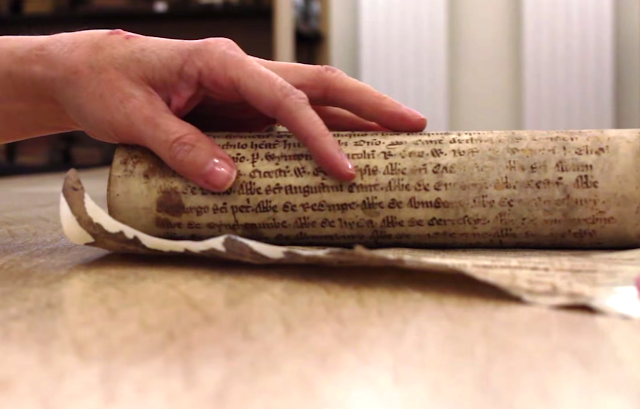
Images of a rare copy of Magna Carta at St John's College are being made available to coincide with the document's 800th anniversary.


Even if historians had seen a record of the St John’s copy in the past, they would probably not have recognised its significance as they would have been unaware that it was in this form

A rare 14th Century copy of Magna Carta that appears to have been unnoticed for generations, until it was uncovered during research marking the document’s 800th anniversary, can be viewed online from today (Friday, 12 June).
The copy, which is owned by St John’s College, University of Cambridge, dates back to the reign of Edward I, and is one of just a handful of surviving statute rolls that recite clauses from the famous charter. Edward I was one of the monarchs who reissued a version of the Magna Carta, which was originally produced in 1215, during the reign of King John.

Although it had been preserved in the College archives, the manuscript appears to have been overlooked – and may indeed have been completely unknown to historians – until now. Its significance was only realised when Professor Nicholas Vincent, from the University of East Anglia and head of the national Magna Carta Project, contacted the College to enquire about documents that be believed contained clauses from the charter.

Professor Vincent realised that the item is, in fact, an early-to-mid 14th Century example of a type of statute roll that would have been used to circulate parts of Magna Carta throughout medieval England. While these were once commonplace, only about a dozen are known to exist today.

Ahead of the anniversary of Magna Carta, on June 15th, the College is releasing images of the copy online along with a short accompanying film. Members of the public can also view the charter by making an appointment to visit the College archives.

The document’s importance is thought to have gone undetected because no systematic attempt to collect the surviving copies of Magna Carta had been undertaken until the 800th anniversary project was launched. Even if historians had seen a record of the St John’s copy in the past, they would probably not have recognised its significance as they would have been unaware that it was in roll form.

In fact, for statute rolls of Magna Carta to survive is very rare. Earlier generations considered the parchment of which they were made very useful for secondary purposes, including lighting fires, and even as animal feed! As a result, most such rolls were lost. Judging by the valuation of similar items at auction, the St John’s copy is thought to be worth several tens of thousands of pounds.

Although it was famously agreed to by King John at Runnymeade, near Windsor, on 15 June 1215, much of Magna Carta had been repealed or rewritten within 10 years of its issue. Modified versions were reissued under both Henry III and Edward I, with some of the more radical clauses in particular removed.

Edward agreed to a renewal of Magna Carta in 1297, and then reissued it on 28 March 1300. The roll at St John’s College recites this 1300 reissue and may have been preserved by the Hospital of St John that once stood on part of what is now the College.

In common with various other copies of Magna Carta that have surfaced in the past, the manuscript is part of a larger document. In this case it was stitched together with a lawyer’s copy of the assize of bread and ale, a law which regulated the price, weight and quality of the bread and beer manufactured and sold in England, and was the first in British history to regulate the production and sale of food. The roll also recites clauses from the Forest Charter, which was issued as a companion document to Magna Carta in 1217 and dealt with rights of access to the royal forest.

The Magna Carta Project, which is led by Professor Vincent, is a collaborative initiative between several universities that aims to track down lost originals of Magna Carta and create an online database featuring commentary, translations, and research findings about the charter. The team are sifting through hundreds of archives as part of their research.

The St John’s copy is being made available to view as part of the nationwide Explore Your Archive Magna Carta campaign, in which archives around the country that have a copy of Magna Carta are being encouraged to make it available to the wider public.

Tracy Deakin, Archivist at St John’s College, said that it was not uncommon for long-forgotten historical documents to resurface from archives, many of which are being made available publically in a manner that was not possible a few decades ago. 

“This sort of discovery is a lot more typical than people might think,” she said. 
“A couple of generations back, archivists did a very different type of job and would not have been able to command the same kind of accessible detail about everything in their archive in the way that we can now.” (courtesy - Cambridge Univerity )



Nov 24, 2025 Before the Rock Temple of #Tirupparankunram, near Madurai— 1928.

  Before the Rock Temple of #Tirupparankunram , near Madurai— 1928. Latest photo in the comments section. நக்கீரர் தாமருளிய திருமுருகாற்றுப்...